
Repair or Replace? How to Decide When an Appliance Breaks in Barrie
Last updated: August 11, 2026
In this article
- The call that started this article
- The 50% rule (and when it lies)
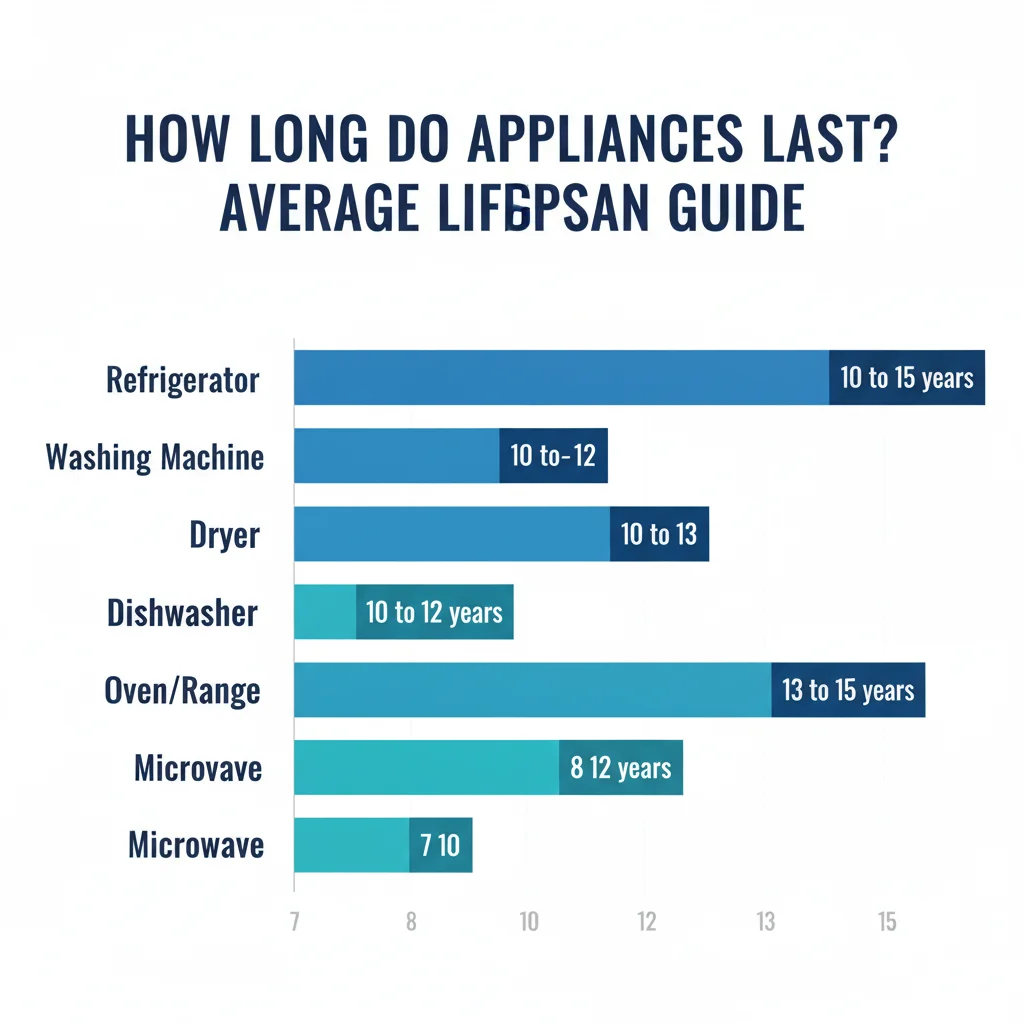
- How long should each appliance actually last?
- The repair vs replace calculator
- When repair almost always wins
- When replacing is the smarter move
- Energy efficiency: the number most people ignore
- What Barrie homeowners ask us most
- The bottom line
Your fridge dies on a Saturday. The repair quote comes in at $480. The cheapest comparable replacement at the local appliance store is $1,100. You stare at both numbers and wonder: which one is the smarter choice? If you want help with fridge repair in Barrie, getting a professional diagnosis first is the only way to make this decision with confidence instead of guessing.
The call that started this article
A Barrie homeowner phoned us last spring about a front-load washer that kept stopping mid-cycle and throwing an error code. She had already spent $200 on a service call from another company, and the tech told her the control board needed replacing. Estimated cost: $420 in parts plus labour.
Her washer was 9 years old. A comparable new washer ran $900 at the box store. That puts the repair cost at 47% of replacement, right on the edge of the 50% rule. We recommended the repair. The machine is still running two years later.
She made the right call, but she almost didn’t. She almost bought a new washer based on the number alone, without factoring in the machine’s age or how many reliable years it likely had left. That gap between a number and a decision is exactly what this article is about.
The 50% rule (and when it lies)
The 50% rule is simple: if the repair cost exceeds 50% of what a comparable new appliance costs, lean toward replacing. Most appliance repair professionals use it as a starting point, and Consumer Reports includes it in their repair-or-replace guidance.
But the rule has two blind spots.
First, it ignores age. A 4-year-old appliance at 49% repair cost is a very different situation from a 13-year-old appliance at the same ratio. The newer machine likely has 8 more years of life; the older one might have 2. The math looks the same. The decision is not.
Second, it ignores repair history. A machine that has needed two separate repairs in the past 18 months is telling you something. One repair within its expected lifespan is normal. Two or three suggests the machine is starting to fail in multiple places at once, which means you are not just paying for this repair, you are paying to buy time until the next one.
How long should each appliance actually last?
These are averages. A well-maintained fridge in a household without kids who hang off the door can last 17 years. A washer that runs 12 loads a week in a busy Barrie family home might see problems at 8.
Use these as rough guides, not gospel:
| Appliance | Average lifespan | Start being cautious after |
|---|---|---|
| Refrigerator | 10 to 15 years | 12 years |
| Washing machine | 10 to 12 years | 10 years |
| Dryer | 10 to 13 years | 11 years |
| Dishwasher | 8 to 12 years | 10 years |
| Oven / range | 13 to 15 years | 13 years |
| Microwave | 7 to 10 years | 8 years |
When repair almost always wins
Some repairs make sense regardless of age, because the cost is low, the fix is reliable, and the alternative is unnecessary spending:
- Door gasket on a fridge or washer ($60 to $180): seals are wear parts. They go on every machine eventually. Replacing one is not a sign the machine is failing; it is routine maintenance.
- Dryer heating element ($120 to $250): a straightforward repair with a clear cause and a reliable fix. Dryers that stop heating are almost never beyond saving unless the drum is cracked or the motor is gone.
- Dishwasher spray arm or door latch ($50 to $150): these are simple mechanical parts, not indicators of systemic failure. Fix them and move on.
- Oven igniter or thermostat ($100 to $220): ranges and ovens last 13 to 15 years. A failed igniter at year 7 is a cheap fix on a machine that has plenty of life left.
When replacing is the smarter move
The repair cost ratio matters, but so does what you are paying to fix. A compressor failure on a 13-year-old fridge is a different problem than a door gasket on the same machine. The compressor is the heart of the fridge. When it fails on an older unit, other sealed-system components are usually not far behind. You are not paying to fix one part; you are paying to delay the inevitable.
The same logic applies to:
- Drum bearing failure on a front-load washer past 10 years: bearing replacements are labour-intensive and the drum spider arm may already be weakened
- Control board failure on any appliance past its expected lifespan: boards for older models are often discontinued or expensive to source
- Multiple failures in a short period: two or more separate repairs in 18 months is a pattern, not bad luck
- Any safety-related failure: if the issue involves a gas connection, electrical arcing, or anything that could be a fire risk, do not repair unless a technician confirms it is structurally sound
Energy efficiency: the number most people ignore
A fridge from 2010 can cost 30% to 50% more to run annually than a current ENERGY STAR certified model. In a Barrie household paying around $0.12 per kWh, that can translate to $70 to $120 extra per year on electricity. Over 10 years, you have paid for a substantial part of a new fridge through higher electricity bills alone.
This does not mean you should always replace on efficiency grounds. But if you are on the fence about a repair that costs 45% of replacement on a 12-year-old fridge, factor in the operating cost difference. The real cost of keeping the old machine is higher than the repair quote suggests.

What Barrie homeowners ask us most
Is it worth repairing a 10-year-old washing machine?
It depends on the repair cost. If the repair is under 40% of a replacement unit’s price and the machine has no other symptoms, it’s usually worth it. Washing machines typically last 10 to 12 years with good maintenance, so a 10-year-old machine still has some life in it. If the drum bearings are going or the motor is failing, that math changes.
How do I know if my fridge is worth repairing in Barrie?
Fridges last 10 to 15 years. If yours is under 10 years old and the repair costs under half the price of a comparable new unit, repair is usually the right call. If the compressor is failing on a fridge over 12 years old, replacement is typically the better investment.
What appliances are never worth repairing?
Microwaves are rarely worth fixing given their low replacement cost ($150 to $400). Any appliance past its expected lifespan with a major mechanical failure (compressor, motor, drum bearing) is usually best replaced. Small countertop appliances like toasters and kettles are almost never worth a professional repair.
Can I get a repair quote before deciding?
Yes. Max Appliance Repair Barrie charges a flat diagnostic fee. If you decide not to proceed with the repair, you only pay the diagnostic charge. Call (705) 481-1565 or visit maxappliancerepairbarrie.ca to book.
Does fixing an old appliance void any warranties?
Manufacturer warranties (typically 1 year) only cover new appliances. If your appliance is out of warranty, a professional repair by a third-party technician does not void anything. Always ask your technician to document the repair in case you need it for home insurance purposes.
Free Download
Download our Repair vs Replace Quick Guide: a one-page checklist with the 50% rule, appliance lifespan table, and when to call a tech.
Download PDFThe bottom line
The 50% rule is a starting point, not a final answer. Use it with age, repair history, and the type of failure to get a real picture of whether a repair makes financial sense. A $350 repair on a 6-year-old washer is almost always worth it. The same $350 on a 12-year-old machine with a history of problems probably is not.
When in doubt, a diagnostic call is the cheapest research you can do. Max Appliance Repair covers Barrie, Innisfil, Orillia, Wasaga Beach, and the rest of Simcoe County. Call (705) 481-1565 or book same-day washer service.