Preparing Your Outdoor Kitchen Appliances for a Barrie Winter
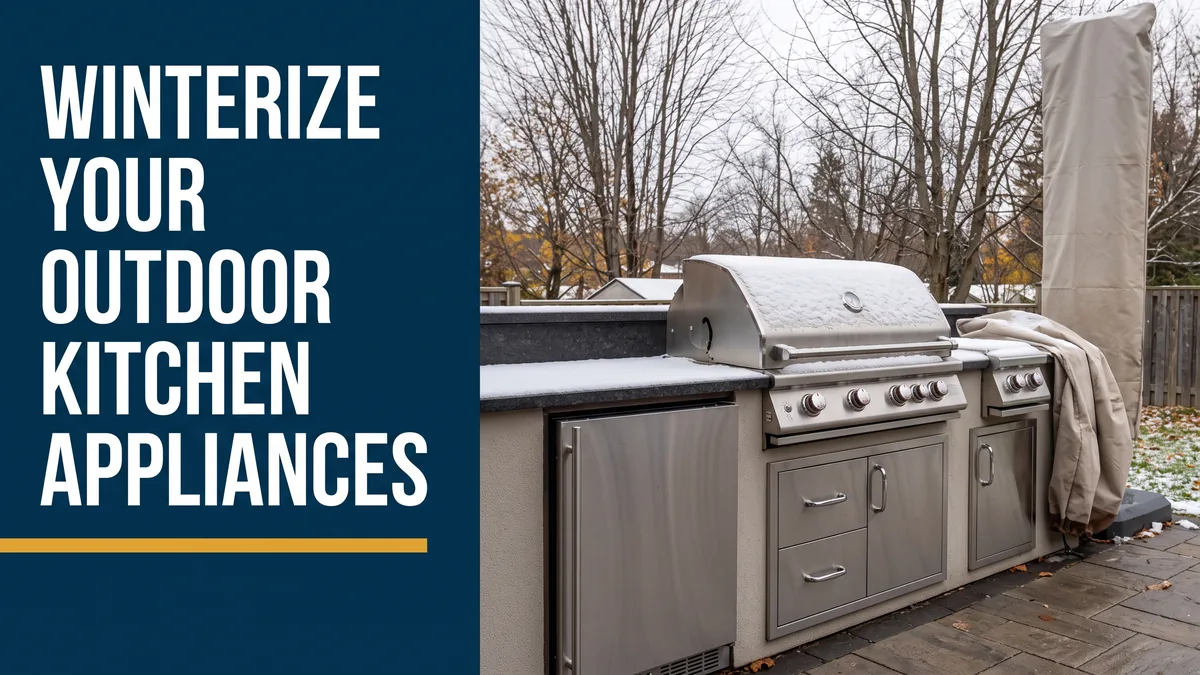
The first hard frost in Barrie usually lands in late October and catches many homeowners off guard. Outdoor kitchen appliances take the brunt of a Simcoe County winter because water remains trapped in unseen spots: ice maker supply lines, grill burner tubes, fridge drain lines, and sink traps. When that trapped water freezes and expands, it cracks lines and splits components. Failing to winterize your setup often leads to an unexpected service call, which is why local demand for preparing your outdoor kitchen appliances for a Barrie winter spikes every April.
Knowing how to winterize outdoor appliances is an afternoon project that saves you the hassle and expense of spring repairs. Here is the exact order to follow, what freezes first, and where to stop and call a professional technician.
In this article
How Barrie winters damage outdoor kitchen appliances
Water is the primary culprit behind winter appliance damage. Barrie temperatures regularly drop below -20°C in January, and even a brief cold snap in November will freeze standing water in thin supply lines overnight. As water freezes, it expands by approximately nine percent, generating enough force to split copper piping, crack plastic ice maker tubes, or rupture an outdoor fridge pump housing.
Appliances with plumbing or active refrigerant carry the highest risk: built-in fridges, freezers, ice makers, and outdoor sinks. Dry components like a bare gas grill body handle freezing temperatures well, but any water remaining inside plumbed units causes quiet, extensive damage while tucked beneath a cover.
Did you know
Leaving an outdoor fridge running through a Barrie winter does not protect it. Compressors and refrigerant systems are engineered for specific ambient temperature ranges. Running a standard fridge in sub-zero weather disrupts thermostat operation and can cause compressor lubricant failure. Most outdoor fridges should be emptied, cleaned, and shut off for the season.
When to winterize outdoor appliances in Simcoe County
Do not wait for snow. The risk period begins with the first overnight frost, which typically arrives in Barrie, Oro-Medonte, and Wasaga Beach during the second half of October. A single night below freezing before lines are drained can cause serious damage. A reliable guideline when you winterize outdoor appliances is to complete the process once overnight temperatures hover near freezing, usually mid-to-late October, and no later than early November.
Shutting down the grill safely
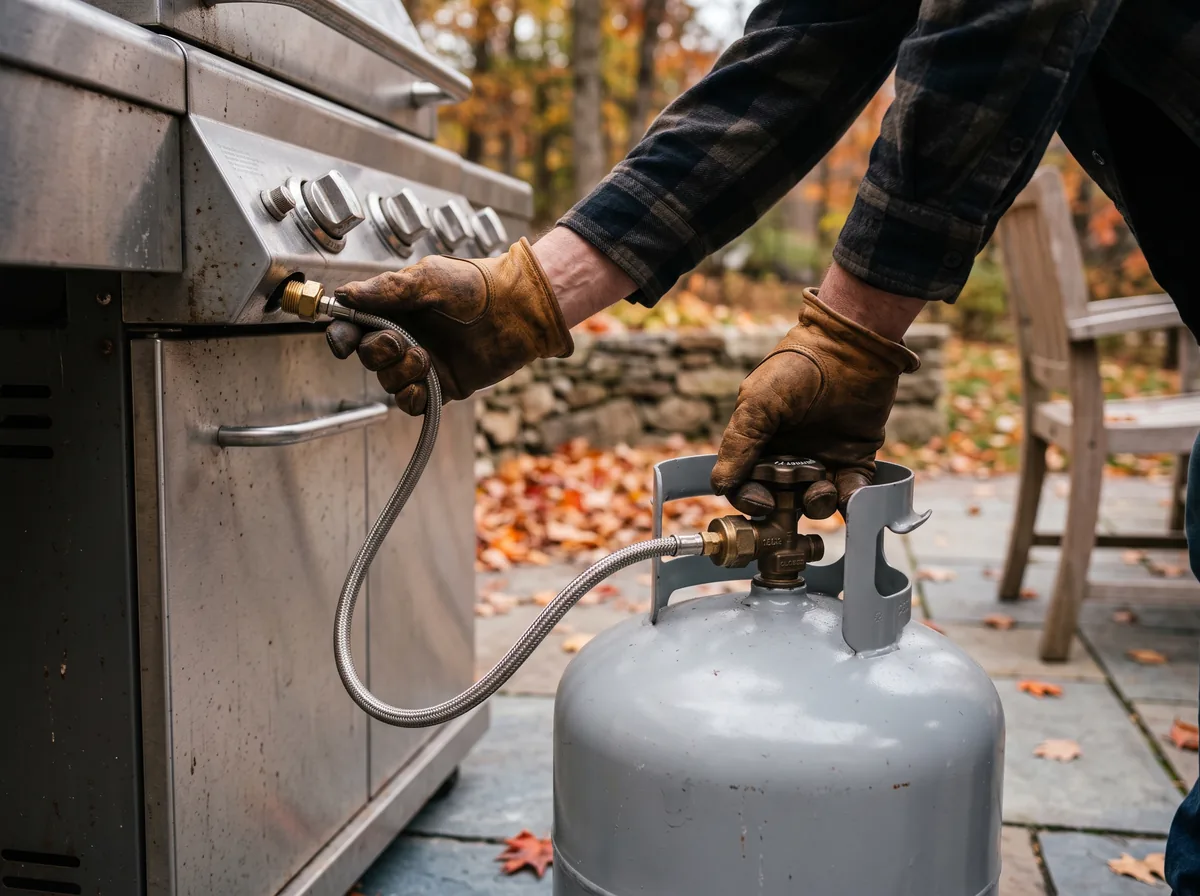
Gas grills and built-in cooktops require extra care. You can safely clean the grates, cover the unit, and disconnect propane cylinders yourself. However, any work involving fixed gas supply lines, regulators, or natural gas connections requires a licensed technician in Ontario.
For DIY maintenance: burn off grate residue on high for 15 minutes, scrub once cool, clear grease trays to deter pests, close the tank valve, disconnect the cylinder, and store it upright outdoors away from the home. Use a breathable cover to prevent trapped moisture.
Draining fridges, ice makers, and sinks
Thoroughly draining water before the first freezing night prevents costly spring repairs. Follow this sequence for proper shutdown:
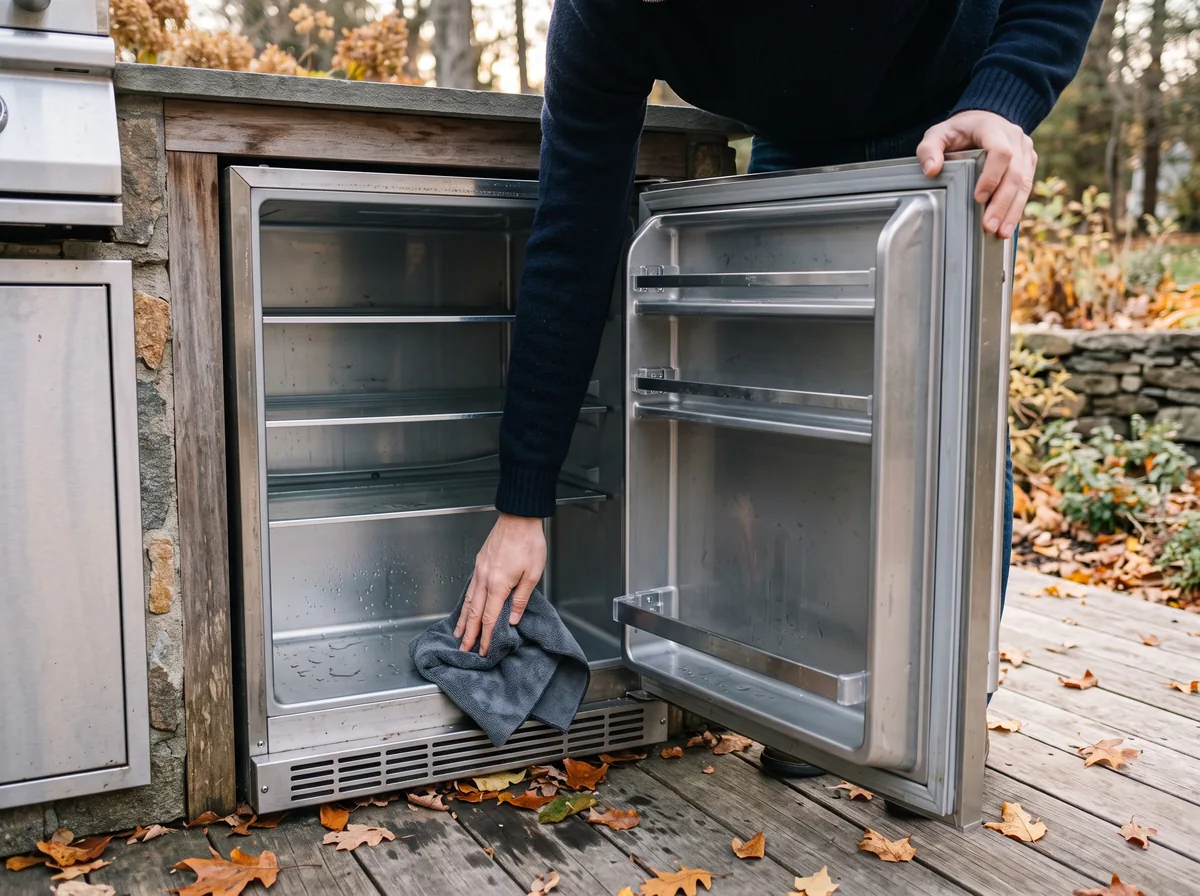
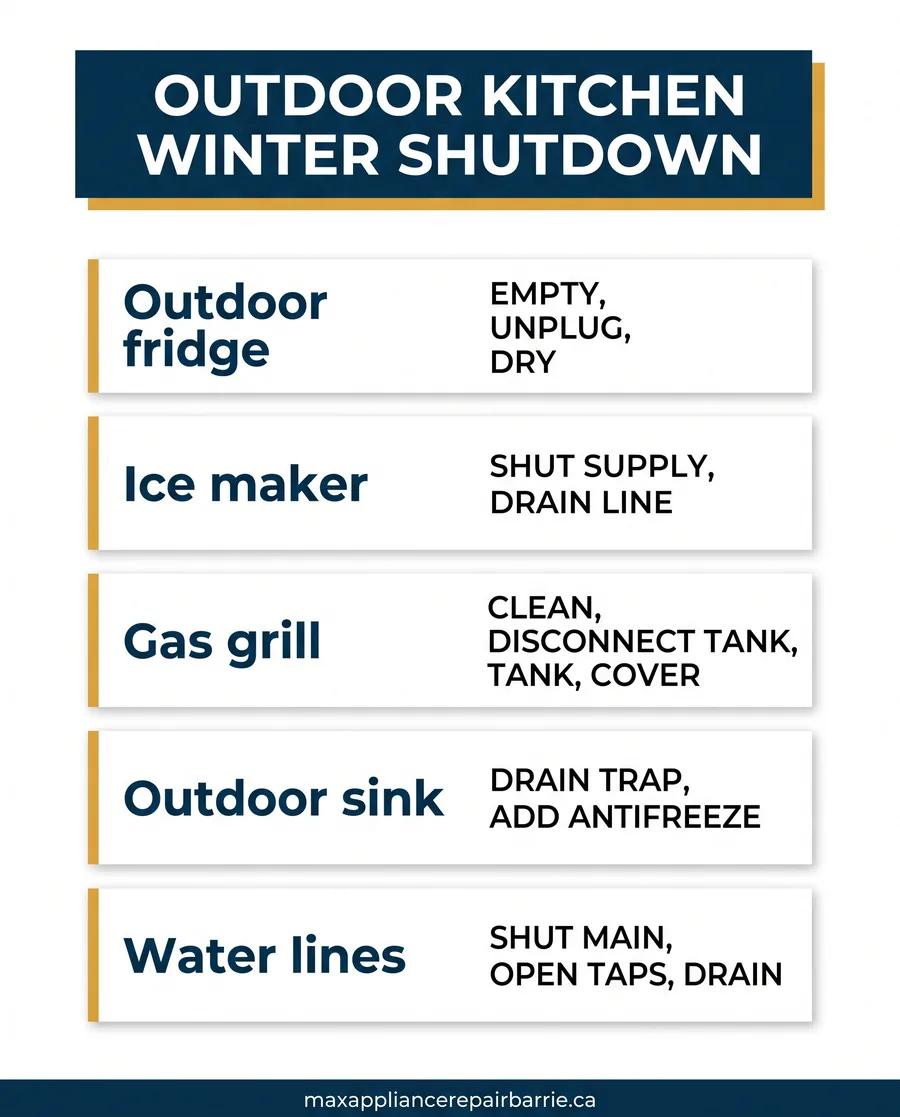
- Outdoor fridge and freezer: Empty, unplug, and allow the unit to warm up. Thoroughly dry the interior, prop the door open slightly to prevent mold growth, and disconnect any dedicated water lines.
- Ice maker: Turn off power, shut the water valve, and disconnect the fill line. Run the final ice cycle, empty the bin, and dry all internal compartments completely.
- Water lines: Shut off main water valves supplying the outdoor kitchen area, open faucets, and drain lines fully. Low-pressure compressed air can help clear remaining water.
- Outdoor sink: Drain the sink trap. Pour non-toxic RV or plumbing antifreeze into the drain to protect the P-trap during deep freezes.
- Cover and secure: Fit breathable covers over dry appliances and seal openings to keep out rodents.
Save your money
Leaving water inside an ice maker or fridge line is the most frequent cause of preventable damage. Taking 20 minutes to shut off supplies and drain lines before freezing weather hits helps ensure you skip spring service calls entirely.
Your appliance-by-appliance shutdown list
Use this reference table to plan your shutdown steps before winter temperatures arrive.
| Appliance | Main winter risk | Your shutdown move |
|---|---|---|
| Outdoor fridge or freezer | Compressor strain, mildew, frozen line | Empty, unplug, dry, prop door, disconnect water |
| Ice maker | Cracked fill tube and water valve | Shut supply, drain, disconnect fill line, dry bin |
| Gas grill or cooktop | Grease pests, moisture, gas hazards | Clean, close and disconnect tank, breathable cover |
| Outdoor sink | Frozen P-trap and supply line | Drain trap, add RV antifreeze, shut and drain supply |
| Built-in cooktop burners | Water and debris in ports | Clean burner ports, cover, keep dry |
Download the free quick guide
A simple step-by-step shutdown guide to help you winterize outdoor appliances across Simcoe County.
Download the free outdoor kitchen winterizing checklist (PDF)
What to check before you fire it up again
When warm weather returns in spring, inspect your setup carefully before restored operation. Reconnect water lines and watch all fittings for leaks as the system re-pressurizes. Hairline cracks from freeze damage reveal themselves as soon as water flows. Plug in refrigerators and allow several hours to achieve food-safe operating temperatures. Check gas lines and hoses for cracking or signs of pests before lighting burners.
If you suspect a frozen line caused leaks or cooling failures over winter, contact a trained service technician to inspect components before regular seasonal use.
Frequently Asked Questions
Found a broken line or need assistance preparing your setup? Max Appliance Barrie provides service across Barrie, Oro-Medonte, Wasaga Beach, and Collingwood. Reach out for a professional service call today.